
Skip to content
  • Passa a:
  • Cimici
  • Solutions
  • Damage
  • Species
  • News

Biocontrollo delle cimici

Le cimici possono causare ingenti danni alle colture sia in serra che in pieno campo. Provocano punture su germogli, fiori, bacelli e bacche, deformazioni, scolorimento e perdita di resa. Un controllo efficace di questi insetti è fondamentale per mantenere le colture sane e produrre raccolti di qualità.

Il biocontrollo delle cimici si basa su tecniche di monitoraggio e interventi mirati utilizzando soluzioni naturali e altri mezzi tecnici, come:

  • Imenotteri o vespe parassitoidi
  • Trappole a feromoni
  • Trappole cromotropiche

Le femmine adulte delle vespe parassitoidi, ovidepongono nell’uovo dell’ospite interrompendone il ciclo. Le larve si sviluppano al suo interno e, dopo l'impupamento, l'adulto di parassitoide emerge attraverso un foro. Le trappole invece aiutano a monitorare, attrarre e catturare in modo massale gli adulti di cimice. Grazie a queste soluzioni di Koppert, i coltivatori possono mantenere sotto controllo questi insetti dannosi, proteggere la qualità delle colture e produrre in modo sostenibile.

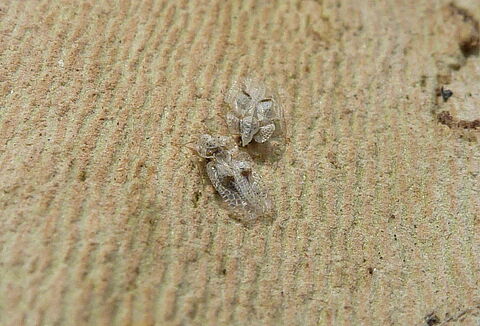
Soluzioni di biocontrollo per Tingidi

Filtri:
Cancella tutti i filtri
Mostra tutti Mostra meno
prodotti trovati:

Domande o bisogno di aiuto?

Contattaci
  • Facile da usare
  • Basso rischio di sviluppare resistenza
  • Nessun residuo chimico
  • Nessun intervallo di pre-raccolta

Scopri di più su

What are bugs?

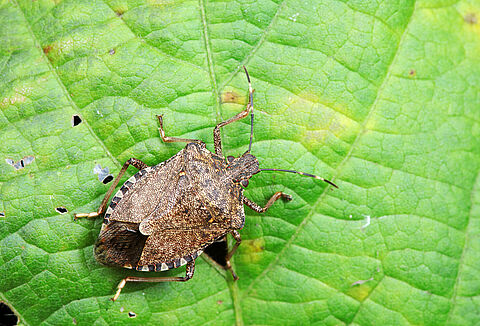
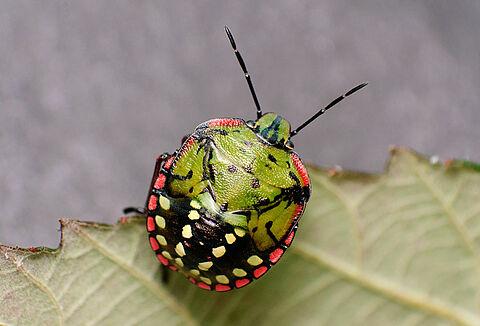
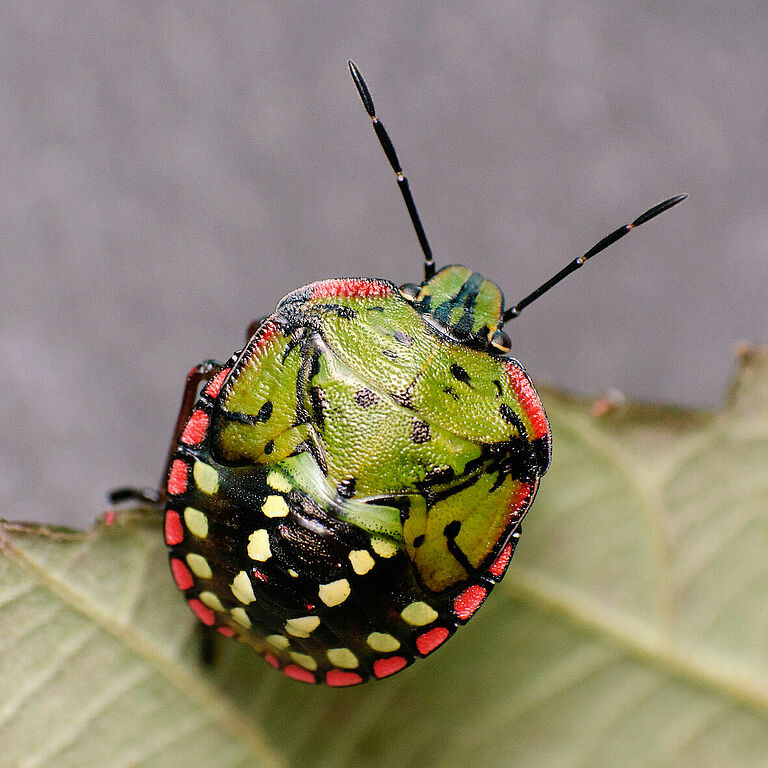
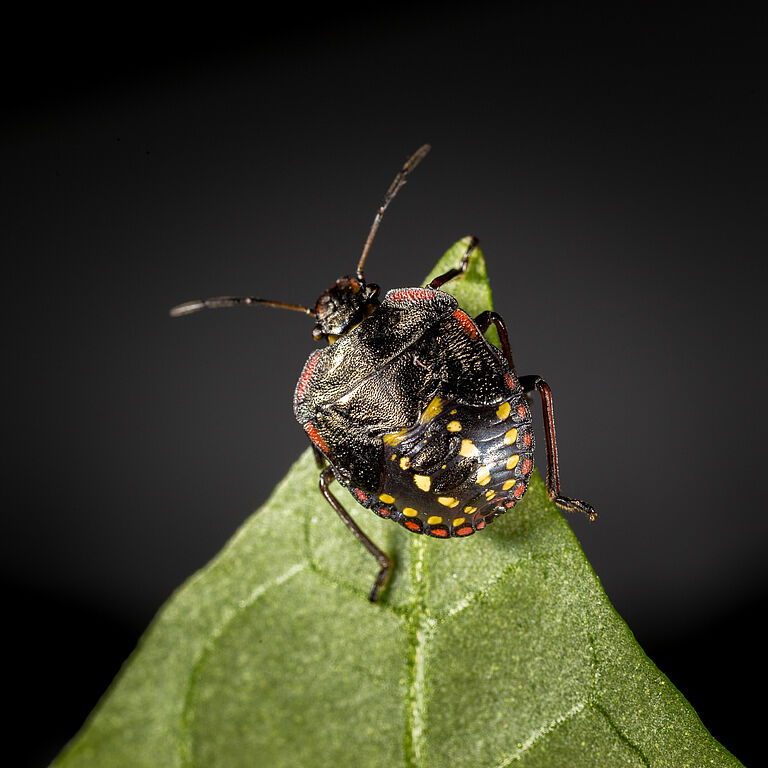
Heteropteran bugs form a group in the order Hemiptera, a highly diverse group of insects, containing both harmful and beneficial species. Heteropteran bugs are insects which have flattened bodies and fold their wings flat over their body when at rest. The wings overlap each other exposing the scutellum, a prominent triangular region of the thorax between the wing bases. This distinguishes them from beetles, which have hard, leathery forewings that meet, but do not overlap, in the dorsal midline. Some bugs produce a pungent odour. Heteropteran bugs are hemimetabolous insects. Their life cycle consists of an egg, usually five nymphal instars and the adult insect. Several species of especially the families Miridae and Pentatomidae are found as pests in agricultural crops.
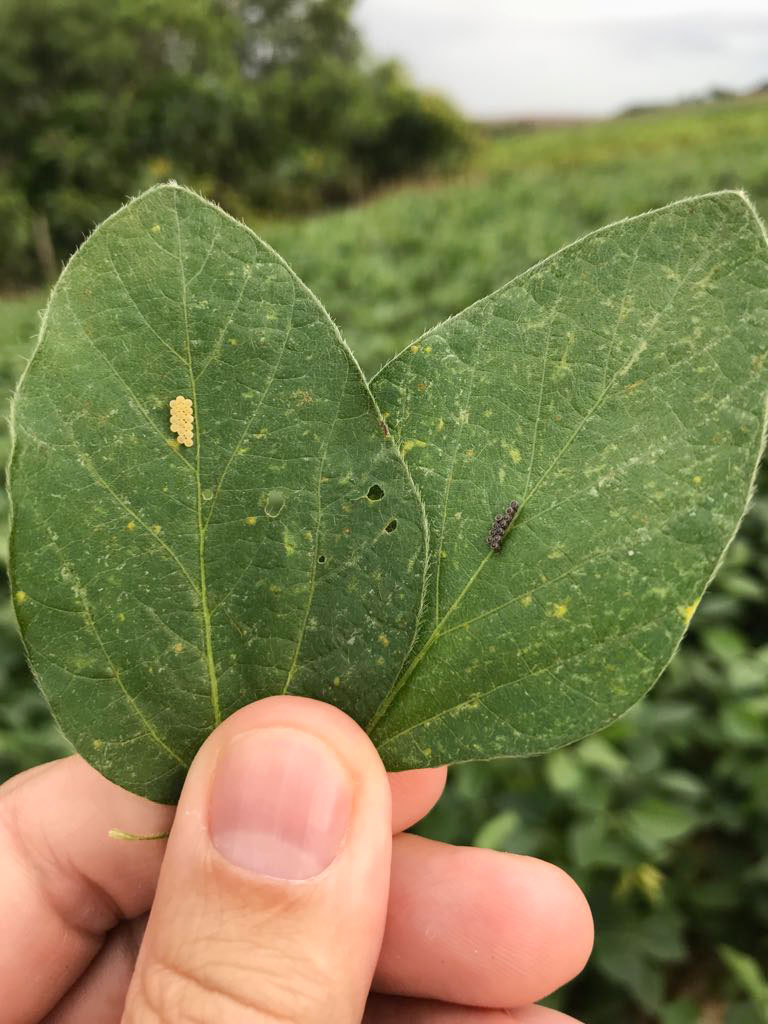
Bug damage

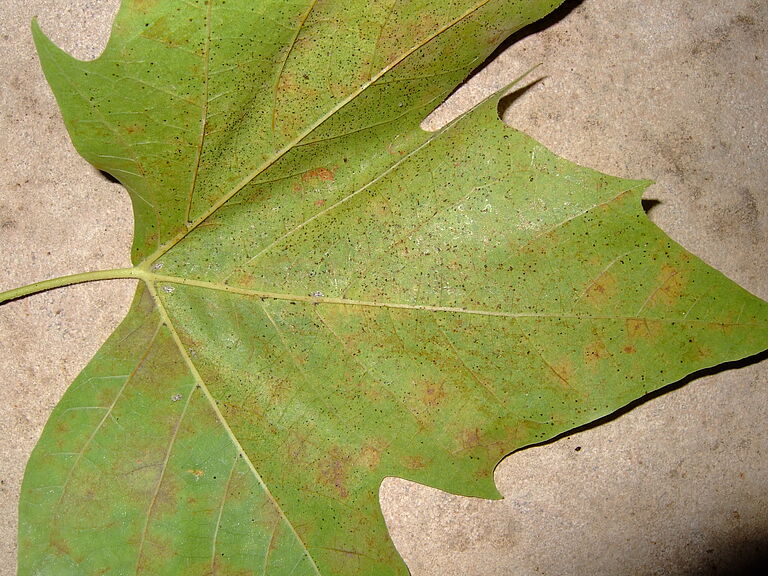
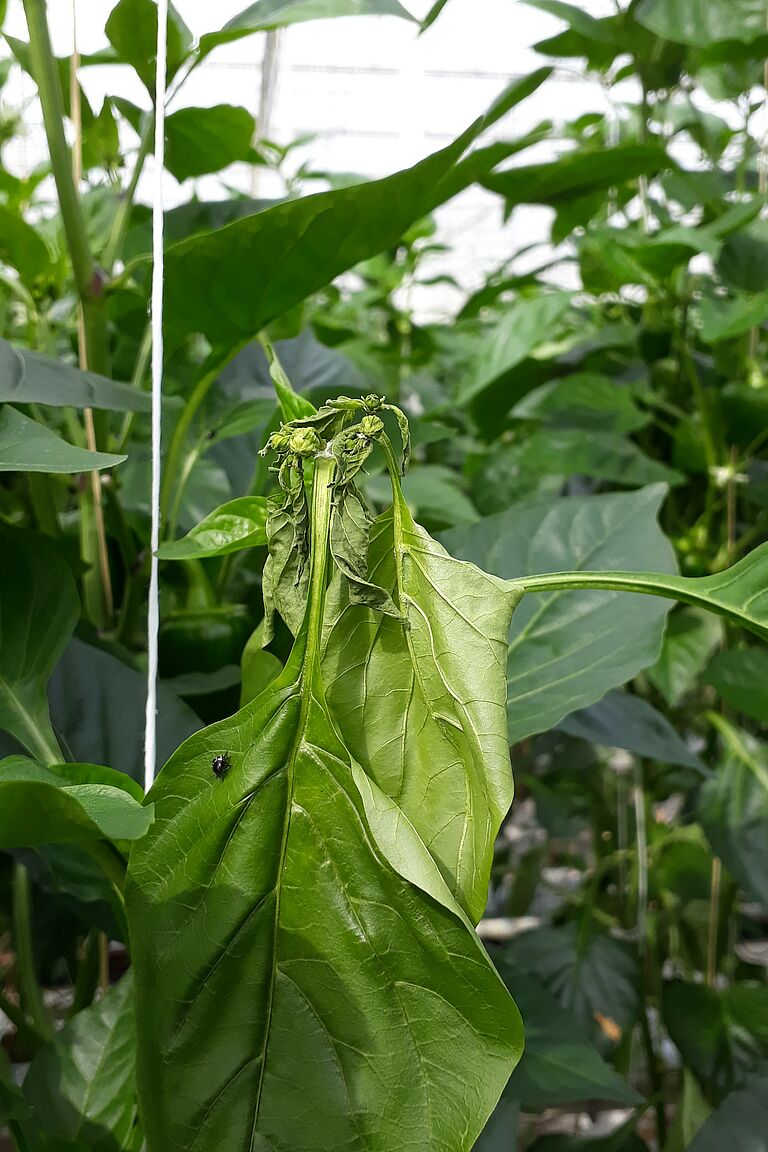
Phytophagous bugs damage plants by puncturing leaves and growing points with their piercing-sucking mouthparts and extracting nutrients from them, resulting in deformations and puncture holes. The most obvious damage is the deformation of growing points. They also cause tissue damage and deformed growth as a result of toxic substances that they inject into plants while feeding.

The latest news about bugs

Hai bisogno di aiuto?