
Skip to content
  • Passa a:
  • Tripidi
  • Damage
  • Specie
  • Life cycle
  • Solutions
  • News

Biocontrollo dei tripidi

I tripidi sono tra i parassiti più impegnativi nelle colture, sia in serra che in pieno campo. L’attività trofica e la trasmissione di virus causano deformazione dell’organo attaccato, argentatura e danni su fiori e frutti, con conseguente riduzione della resa e della commerciabilità. Poiché si riproducono rapidamente e si nascondono in profondità nei fiori, all’ascella o sotto le foglie, un controllo efficace dei tripidi richiede un approccio integrato.

Il biocontrollo dei tripidi combina diverse soluzioni complementari che mirano a controllare l’insetto nelle varie fasi della sua vita, quali:

Gli acari e gli insetti predatori controllano attivamente le larve e le pupe dei tripidi, mentre i nematodi utili prendono di mira le pupe nel terreno. Trappole cromotropiche e cairomoni sono utili per una diagnosi precoce e per ridurre la popolazione. I funghi entomopatogeni possono fornire un'ulteriore mezzo di difesa. Grazie a questi agenti di biocontrollo di Koppert, i coltivatori possono mantenere sotto controllo questi insetti dannosi, proteggere la qualità delle colture e produrre in modo sostenibile.

Soluzioni di biocontrollo per Tripidi

Filtri:
Cancella tutti i filtri
Mostra tutti Mostra meno
prodotti trovati:

Domande o bisogno di aiuto?

Contattaci
  • Facile da usare
  • Basso rischio di sviluppare resistenza
  • Nessun residuo chimico
  • Nessun intervallo di pre-raccolta

Scopri di più su

What are thrips?

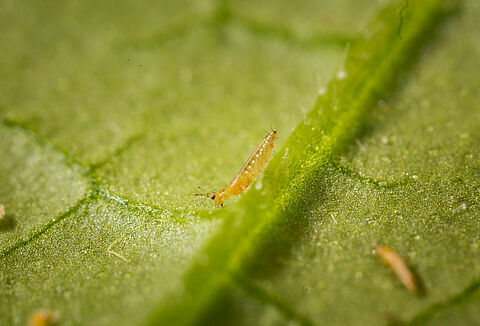
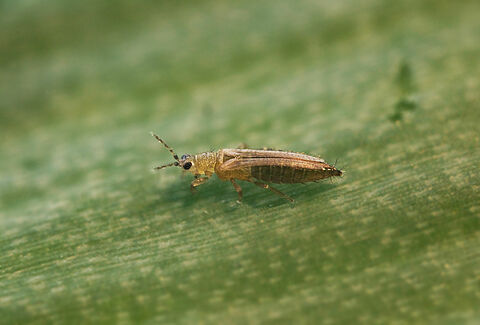
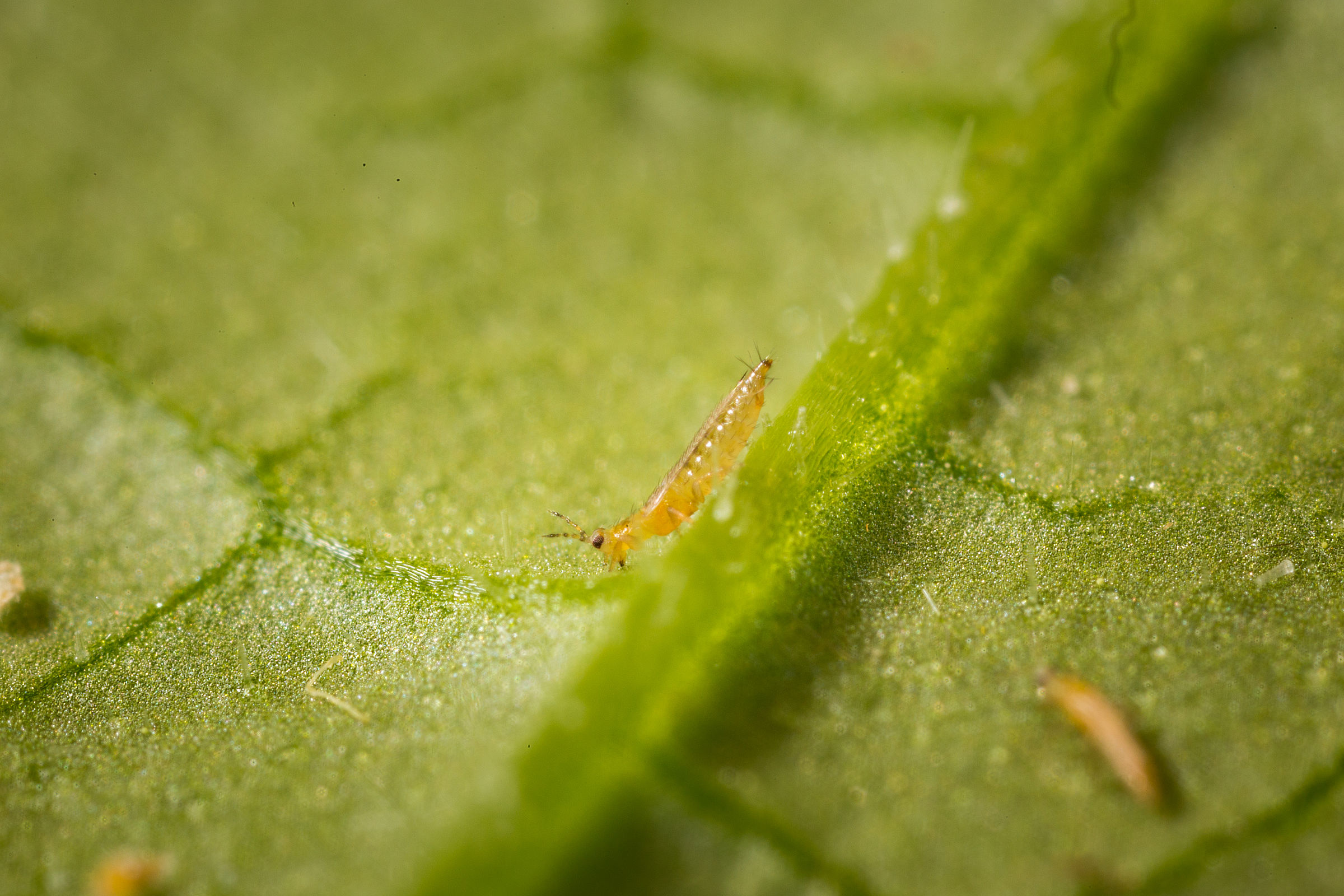
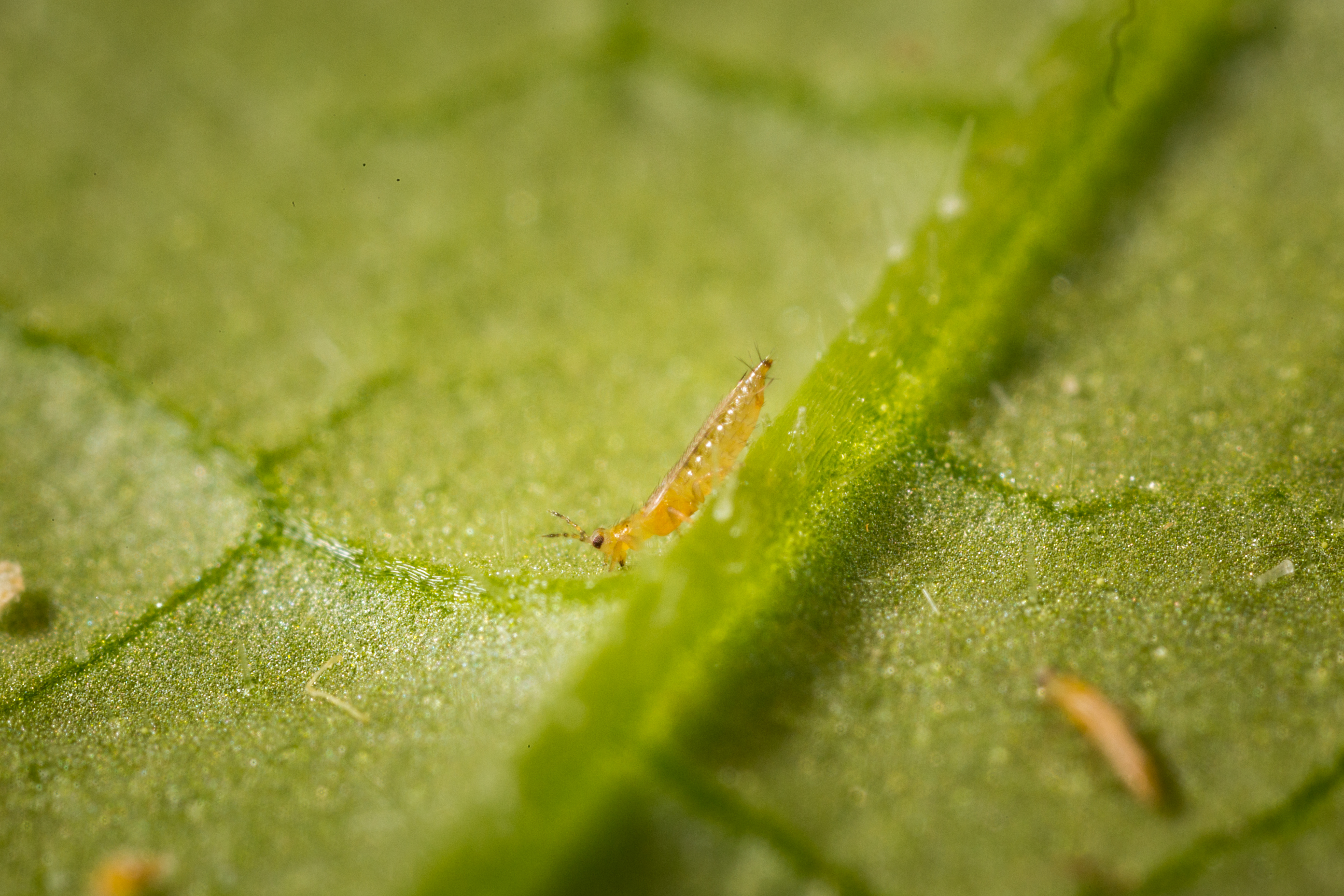
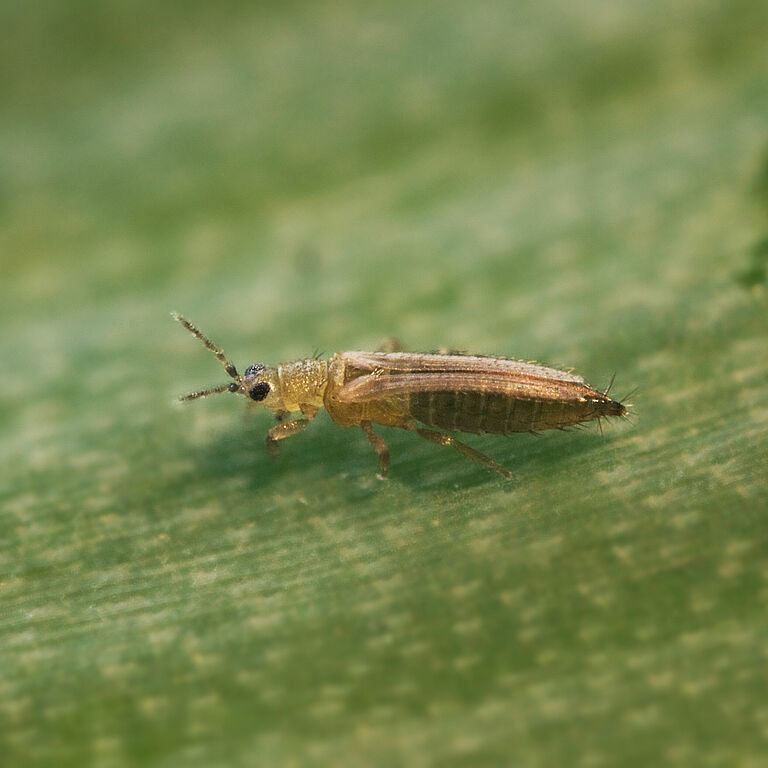
Several species of thrips are a major problem in greenhouse horticulture. The Western flower thrips (Frankliniella occidentalis) is the most damaging species. Thrips form the order Thysanoptera, a name that literally means ‘fringed wings’, and refers to the eyelash-like fringe of hairs along both edges of the thin wings. There are more than 6,000 known species. Most are harmless, some are predators, and fewer than 20 species can cause problems in agriculture and horticulture. Thrips are small insects (0.5-14 mm), with the largest species found in the tropics. In temperate regions they are not larger than 2.5 mm. All thrips species that cause damage in green-houses belong to the family Thripidae.
Thrips damage

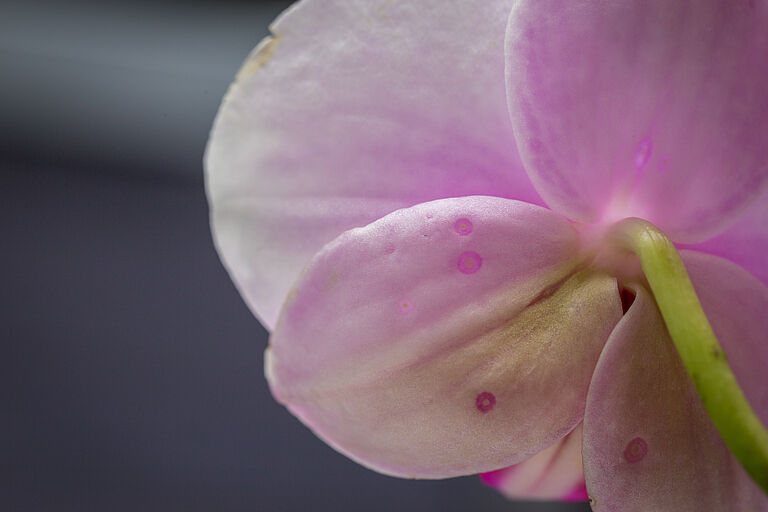
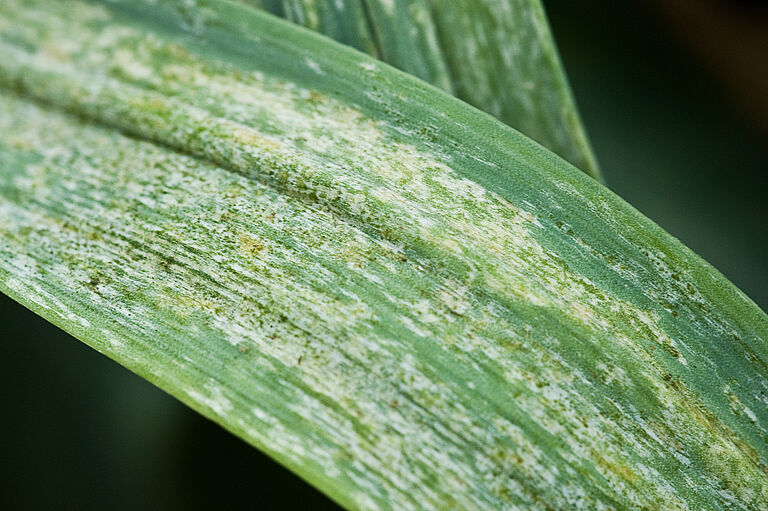
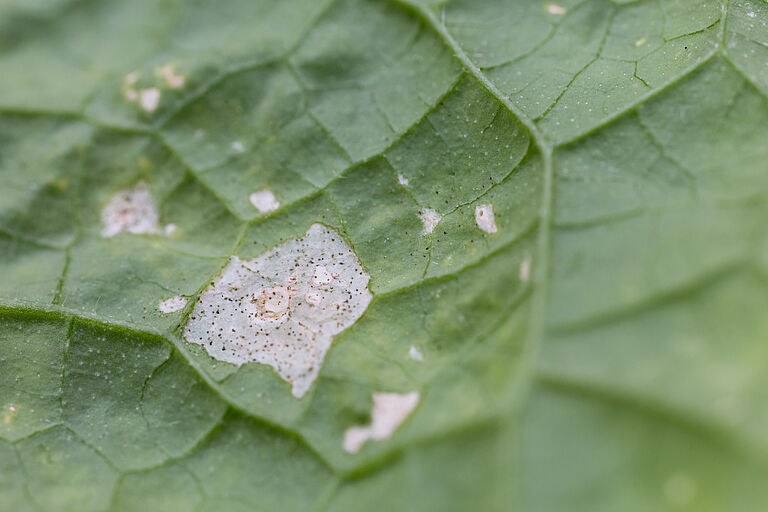
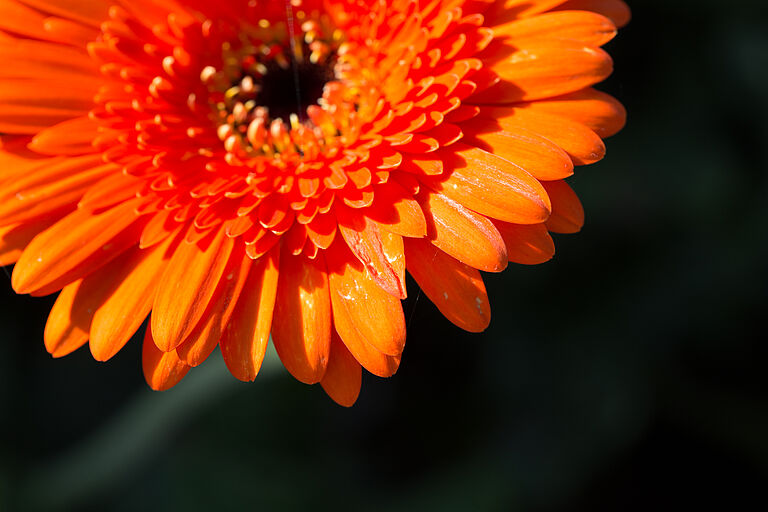
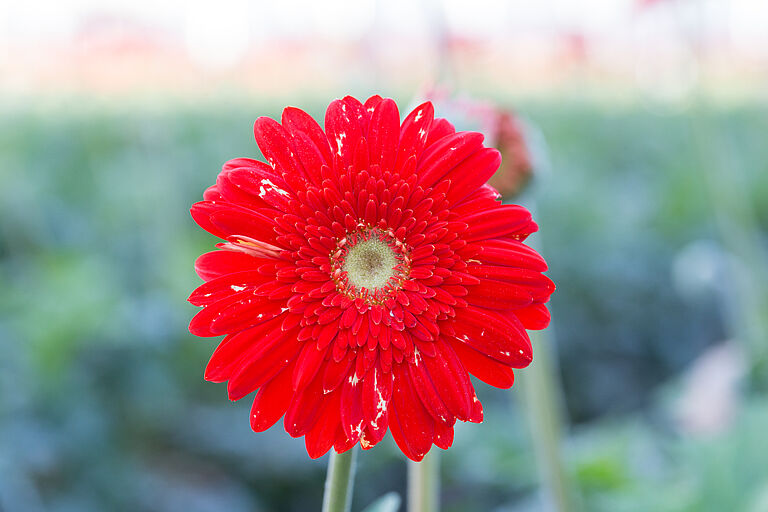
Thrips cause damage to the plant by piercing the cells of the surface tissue and sucking out their contents, causing the surrounding tissue to die. The resulting silver-grey patches on leaves and the black dots of their excreta indicate their presence in the crop. At a later stage, the empty cells become desiccated and the adjacent cells turn brown. The vigour of the plant is also reduced by loss of chlorophyll. With a serious infestation the leaves themselves can shrivel, and there can be varying levels of fruit damage depending on the species of thrips and their population density. In ornamentals, flowers can be seriously damaged, while leaves are often damaged and become misshapen. Thrips are also responsible for the transmission of viruses, the best known of which is tomato spotted wilt virus (TSWV), mainly transmitted by F. occidentalis.

Life cycle of thrips

Thrips control videos

Take a look at the video or go to our Youtube channel to see our thrips control products in action.

Hai bisogno di aiuto?